
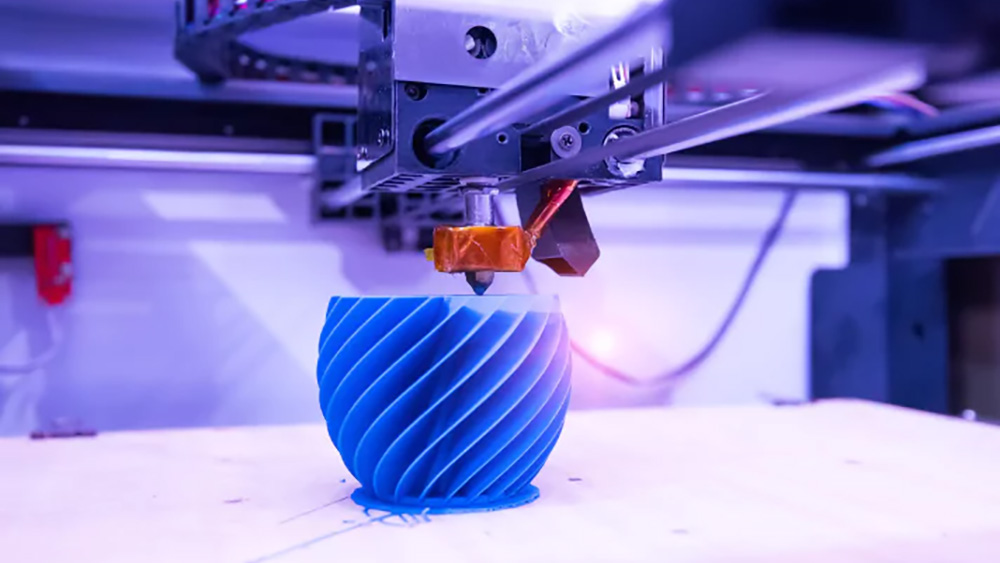
More and more kink toy DIYers are getting into 3D printing. Flexible filaments like TPU are soft, durable, and feel like they should work well for intimate designs. On the surface, it sounds like a good match.
But when it comes to internal or oral use, the reality is more complicated than simply saying “TPU is body-safe.”
TPU as a Material vs. TPU for 3D Printing
TPU can be body-safe—it really depends on how it’s made.
Injection-molded TPU, for example, is widely used in medical-grade (ISO 10993) and food-contact applications, where materials and processes are tightly controlled.
3D-printing TPU is a different story. Filaments are designed first and foremost to print well. To extrude smoothly and bond reliably between layers, manufacturers often add stabilizers, flow modifiers, pigments, and sometimes plasticizers. Some of those additives aren’t intended for oral or internal contact.
Surface Finish Matters Too
Even setting material chemistry aside, the surface of a 3D-printed part is another concern. Layer lines and tiny gaps are inherent to the printing process, and they’re difficult to fully clean or sterilize. Without sealing or serious post-processing, those surfaces can trap bacteria, making raw prints a poor choice for internal use.
Reducing Risk in Practice
If someone does choose to use a printed TPU object in an intimate context where it makes sense, using a condom can help reduce direct contact and improve hygiene. It doesn’t make the material safe for internal use, but it can lower risk in certain situations.